How the area splits for retaining walls
These pages look at Armadale and the suburbs around it, from the hills on the Darling Scarp down to the newer estates on the coastal plain. The landform under your house shapes which wall makes sense more than the suburb name does.
Hills and scarp suburbs
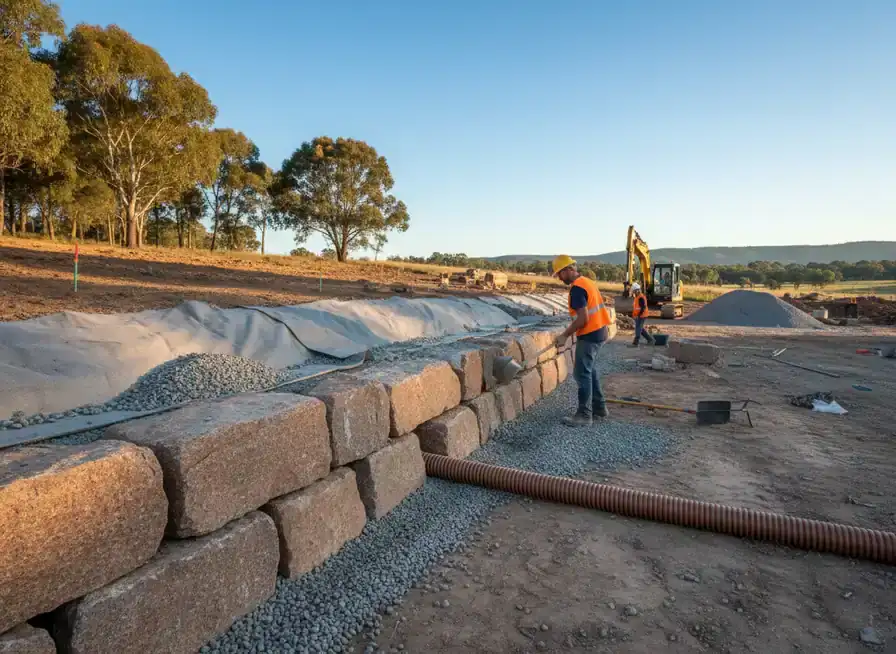
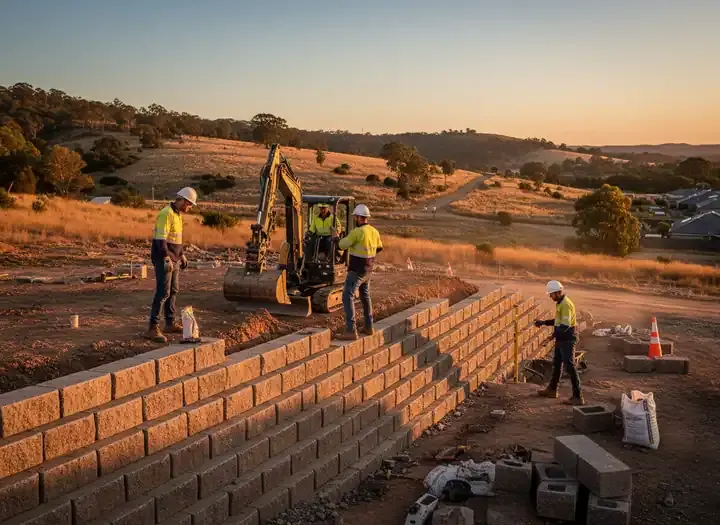
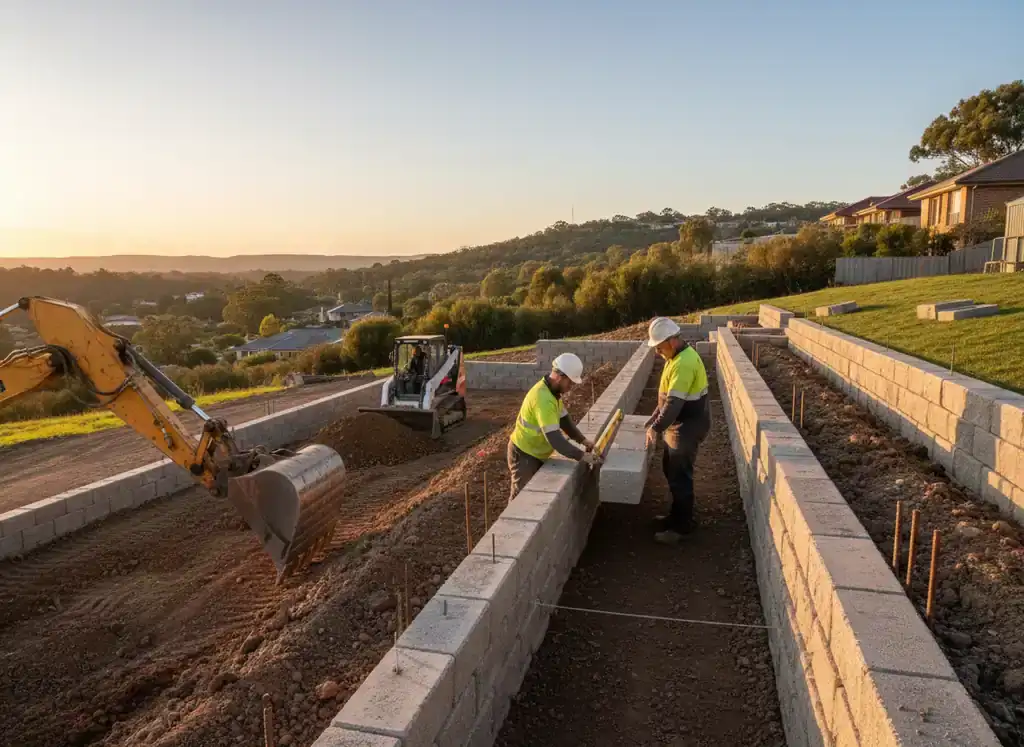
In places like Roleystone, Bedfordale and Mount Nasura, many blocks have a real fall from the street or from front to back. Walls here often hold back more height, so the design, footings and drainage behind the wall matter more. Rocky or gravelly ground can make digging harder, and steep driveways can limit what machinery gets on site.
For taller walls or walls near a house, driveway or boundary, ask about engineered retaining walls early. It is easier to plan for engineering at the start than to change course halfway through.
Newer estates on the plain
In suburbs such as Piara Waters, Harrisdale and Hilbert, lots are usually flatter but were often filled and levelled when the estate was built. That leaves height differences along side and rear fences, which is where most walls in these areas go. Sandy ground drains quickly but needs good compaction behind the wall.
Lot sizes tend to be smaller, so access down the side of the house can decide whether blocks, sleepers or limestone are practical to bring in.
Established streets closer to town
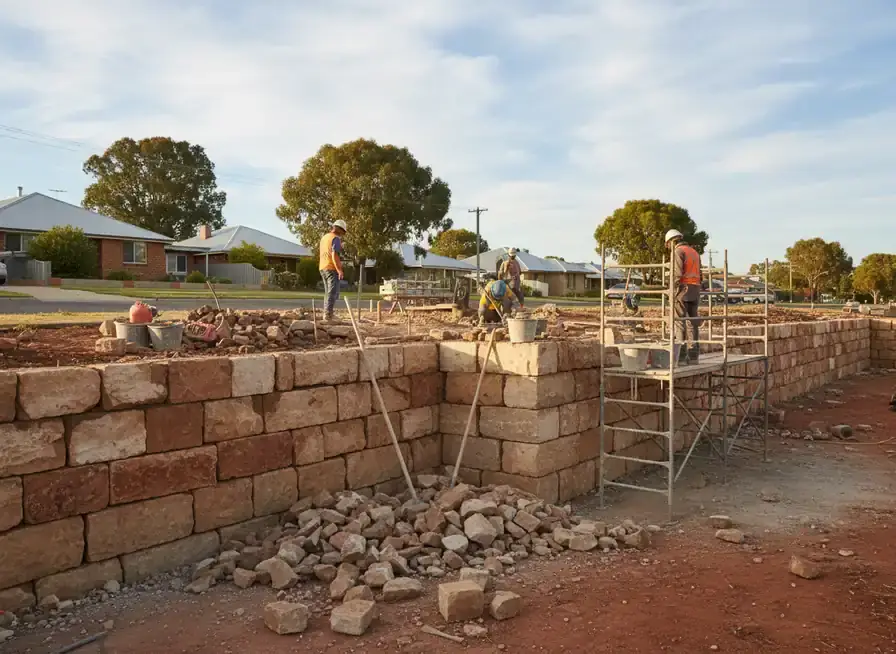
Older parts of Armadale, Kelmscott and Gosnells have a mix of original walls and newer work. Here the question is often whether an existing wall can be repaired or needs replacing. Leaning, cracking, bulging or soil washing through gaps are all signs worth having looked at.
What changes the job from one block to the next
- Height of the wall. A low garden edge and a wall holding back a metre or more of soil are very different jobs.
- What sits above or below it. A driveway, pool, shed or house near the wall adds load and changes the design.
- Water. Slopes push runoff towards the wall, and blocked drainage is a common reason walls fail. Good drainage behind the wall is worth asking about wherever you live.
- Access. Narrow side paths and steep entries affect which materials and machines can reach the back yard.
- The neighbours. Boundary walls affect the property next door, so it helps to talk with them before work starts.
Choosing a wall material for your suburb
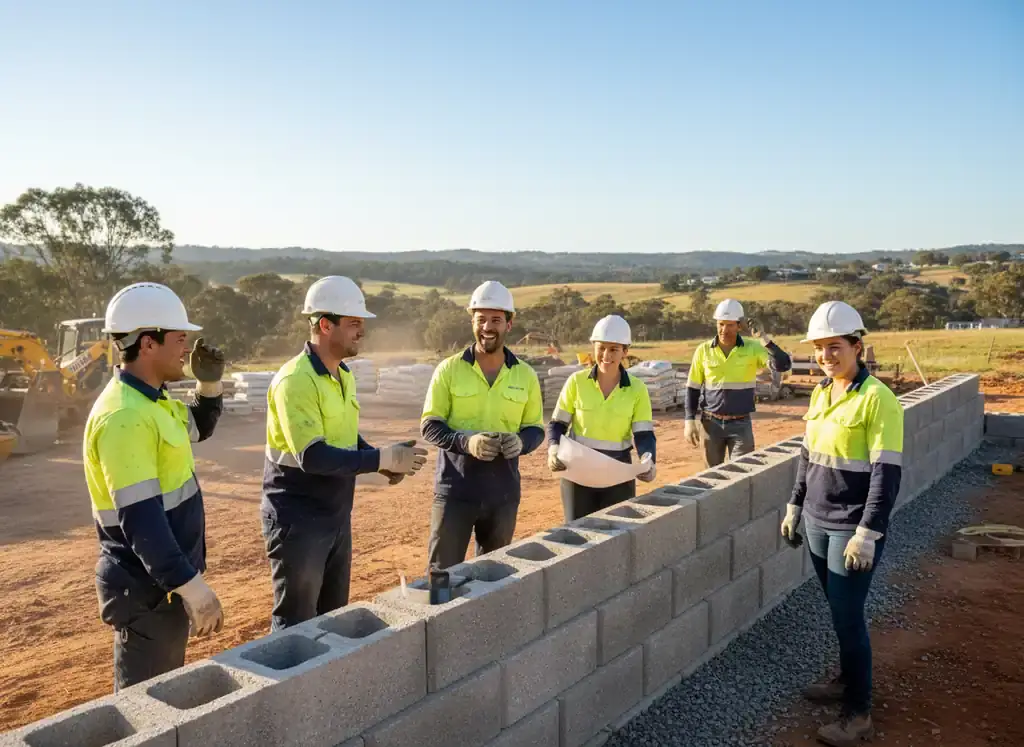
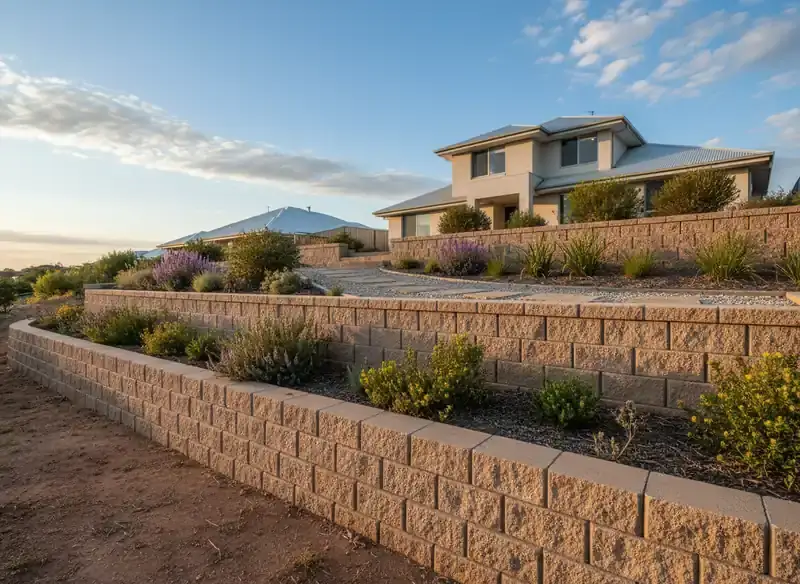
Limestone is a familiar look across Perth and suits many garden and boundary walls. Concrete sleepers with steel posts go up quickly and work well where access is tight. Interlocking blocks give a neat finish and come in a range of colours. On sloping hills blocks the right choice often comes down to height and drainage first, then appearance.
Before you choose a wall
Walk your block and note roughly how high the wall needs to be and how long it will run. Check whether anything heavy sits near the top, where water flows after rain, and how wide the side access is. If an old wall is already there, take note of any lean or cracks. Those few details make it far easier to compare options for your suburb.